
Call us now :07313726093
 Send Inquiry
 Send Inquiry
Level Measurement
Level Measurement Specification
- IP Rating
- IP67
- Wireless
- No
- Application
- Water, Oil, Chemical Tanks
- Features
- Shock & Vibration Resistant, Maintenance-Free
- Measurement Range
- Up to 2 m
- Sensitivity
- Factory Pre-set/Adjustable
- Operating Temperature
- -25°C to +70°C
- Mounting Type
- Threaded (G1/2)
- Interface
- M12 Connector
- Cable Length
- 2 m
- Sensor Type
- Capacitive/Conductive
- Signal Type
- Discrete (Switching)
- Response Time
- <1 s
- Power Consumption
- <2 W
- Product Type
- Baumer Level Switch
- Material
- Stainless Steel (SS)
- Input
- 24 V DC
- Output
- PNP/NPN, 1x Switching Output
- Function
- Level Detection and Measurement
- Usage
- Industrial Liquid Level Monitoring
- Accuracy
- ±2 mm
- Resolution
- 1 mm
- Voltage
- 24 V DC
- Weight
- Approx. 350 g
- Enclosure Material
- Polycarbonate
- Approvals/Certifications
- CE, RoHS Compliant
- Protection Class
- Class III
- Ambient Humidity
- <95% RH, Non-condensing
- Operating Pressure
- Max. 10 bar
About Level Measurement
Wetted parts in acid-proof, stainless steel and PEEK Compact, food compatible,
Hygienic design
Hygienic connections conform to 3-A standards, FDA demands and EHEDG guidelines
Precise switching point without calibration
Process temperature
-40...200 °C
Measures media with
DK- values >1.5
(DK = Dielectrical Constant)
Exceptional Durability for Industrial Environments
Manufactured using stainless steel and a polycarbonate enclosure, this level sensor withstands harsh industrial conditions, including shock, vibration, and exposure to chemicals. With an IP67 rating, it ensures dust and water protection, making it a maintenance-free solution for various industries in India.
Precise Liquid Level Monitoring
Offering 2 mm accuracy and 1 mm resolution, the sensor delivers consistent performance in water, oil, and chemical tanks. The factory pre-set or adjustable sensitivity enables customizable operation to suit specific requirements, guaranteeing reliable and swift (<1 s) detection of changes in liquid levels up to 2 meters.
FAQs of Level Measurement:
Q: How is the level measurement sensor installed in industrial tanks?
A: The sensor features a threaded (G1/2) mounting type, allowing for straightforward installation on tank wall or vessel openings. The included 2-meter cable and M12 connector simplify electrical integration without specialized tools.Q: What types of liquids can this sensor be used to monitor?
A: This device is suitable for monitoring water, oil, and a variety of chemicals in industrial tanks. Its durable materials and resistance to shock and vibration ensure reliable operation even in challenging environments.Q: When should the sensor be selected for an application?
A: Choose this sensor when precise level detection (2 mm accuracy) is required for industrial liquid tanks under conditions of high humidity (up to 95% RH, non-condensing), pressures up to 10 bar, and temperature ranges from -25C to +70C.Q: Where has the sensor been approved and certified for use?
A: The sensor is both CE and RoHS compliant, ensuring it meets global standards for safety, performance, and environmental responsibility, which is essential for Indian dealers, importers, exporters, and distributors.Q: What is the process of integrating the sensor into a control system?
A: Integration involves connecting the sensor via its discrete PNP/NPN output to industrial controllers or automation systems. The M12 connector and switching output facilitate efficient signal transmission for liquid level management.Q: How does the sensor benefit maintenance and operational efficiency?
A: The sensors maintenance-free design and robust construction minimize downtime and service requirements. Its fast response time and accuracy enhance process automation, leading to improved safety and resource management.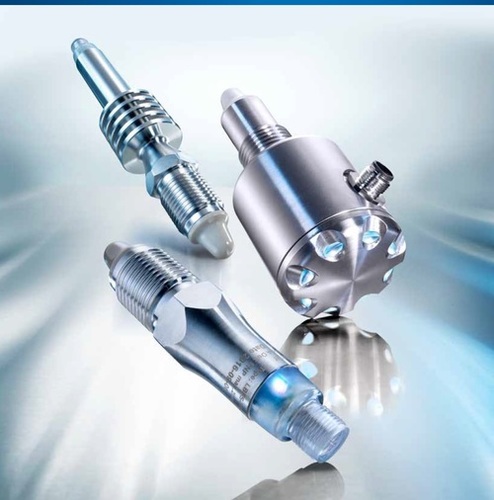
Tell us about your requirement

Price:
Quantity
Select Unit
- 50
- 100
- 200
- 250
- 500
- 1000+
Additional detail
Mobile number
Email

More Products in Process Instrumentation Category
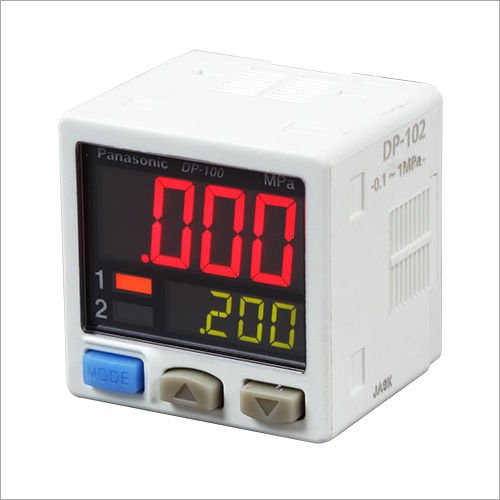
Digital Pressure Sensor
Price 2500.0 INR / Number
Minimum Order Quantity : 1 Number
Product Type : Pressure Sensor
Function : Dual Display Digital Pressure Sensor [For Gas]
Sensor Type : Standard pressure port type
Output : PNP/NPN
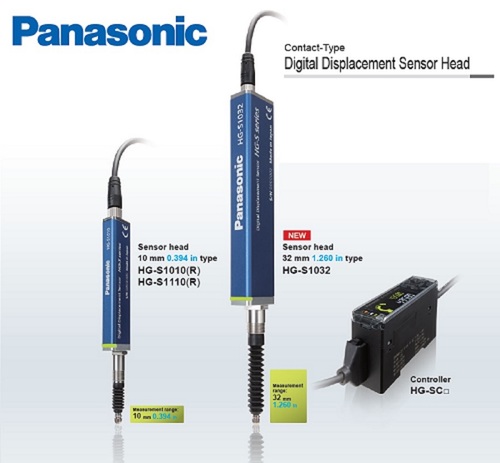
Digital Displacement Sensor (Panasonic)
Price 35000.0 INR / Number
Minimum Order Quantity : 1 Number
Product Type : Displacement Sensor
Sensor Type : Displacement Sensor
Output : NPN/PNP
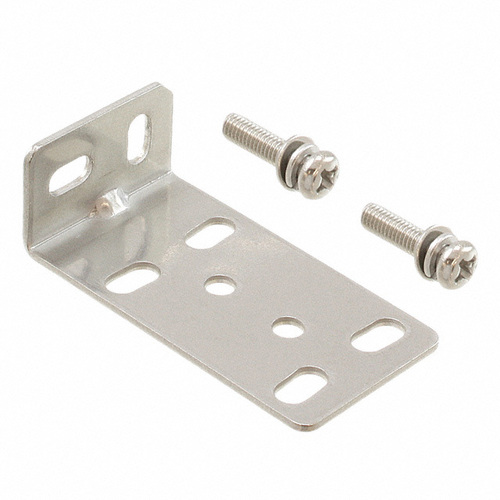
MS-CX2-4 Mounting Brackets
Price 350.0 INR / Number
Minimum Order Quantity : 1 Number
Product Type : MSCX24
Function : Mounting Bracket
Sensor Type : Mounting bracket
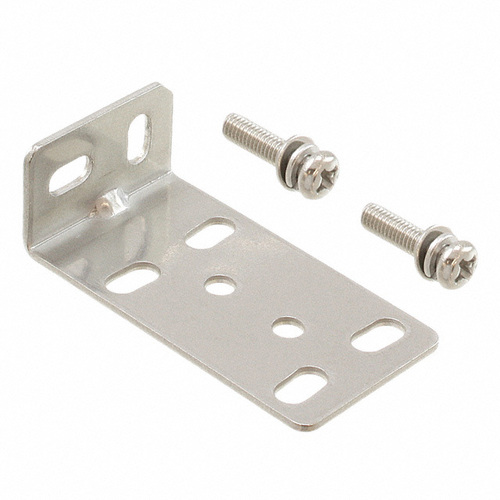
MS-Cx-3 Mounting Bracket
Price 150.0 INR / Number
Minimum Order Quantity : 1 Number
Product Type : MsCX3

 Send Inquiry
Our Products
- Compact Sensors
- Maxi Sensors
- Applicative Sensors
- Color Mark Sensors
- Inductive Sensors
- Optical Sensors
- HMI
- Programmable Logic Controller
- Control Panels
- Process Instrumentation
- Machine Vision Camera
- Fibre Optic Sensor
- Ultrasonic Sensor
- Servo Motor & Drives
- Incremental Encoder
- Absolute Encoder
- Inclinometers
- DRAW WIRE SENSORS
- Measurement Sensors
- Picking Sensors
- Light Curtains
- Limit Switches
- Solid State Relays (SSR)
- Flexible Couplings
- Variable Frequency Drive (VFD)
- Accessories
- Cable
- Fork Sensor
- Photoelectric Sensor
- Area Sensor
- Laser Distance Sensor
- Proximity Sensor
- Vision System
- Displacement Sensor
- Pressure Sensor
- Laser Sensor
- Program
- Application Cassette
- PLC Unit
- IPC
- Gear Motor & Gear Head
- Barcode Scanner


Plot No. A-34/2/8, Site-IV, Industrial Area, Sahibabad,Ghaziabad - 201010, Uttar Pradesh, India

Mr. Vinod
(Director)
Mobile :07313726093
 Send Inquiry
 Send SMS
Developed and Managed by Infocom Network Private Limited.
